What the trade winds bring to the beach, and what we carve from it.
The kuzi.
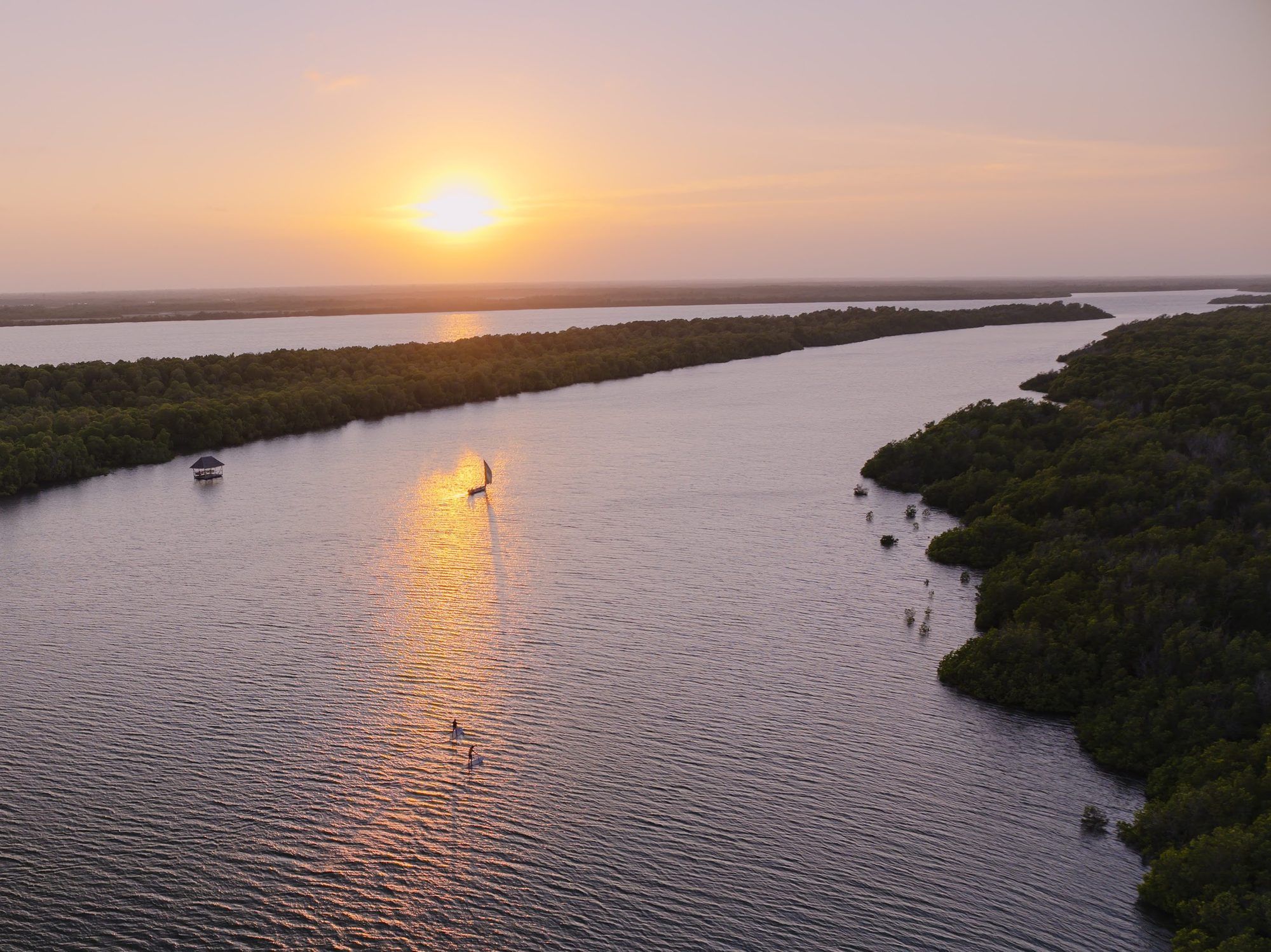
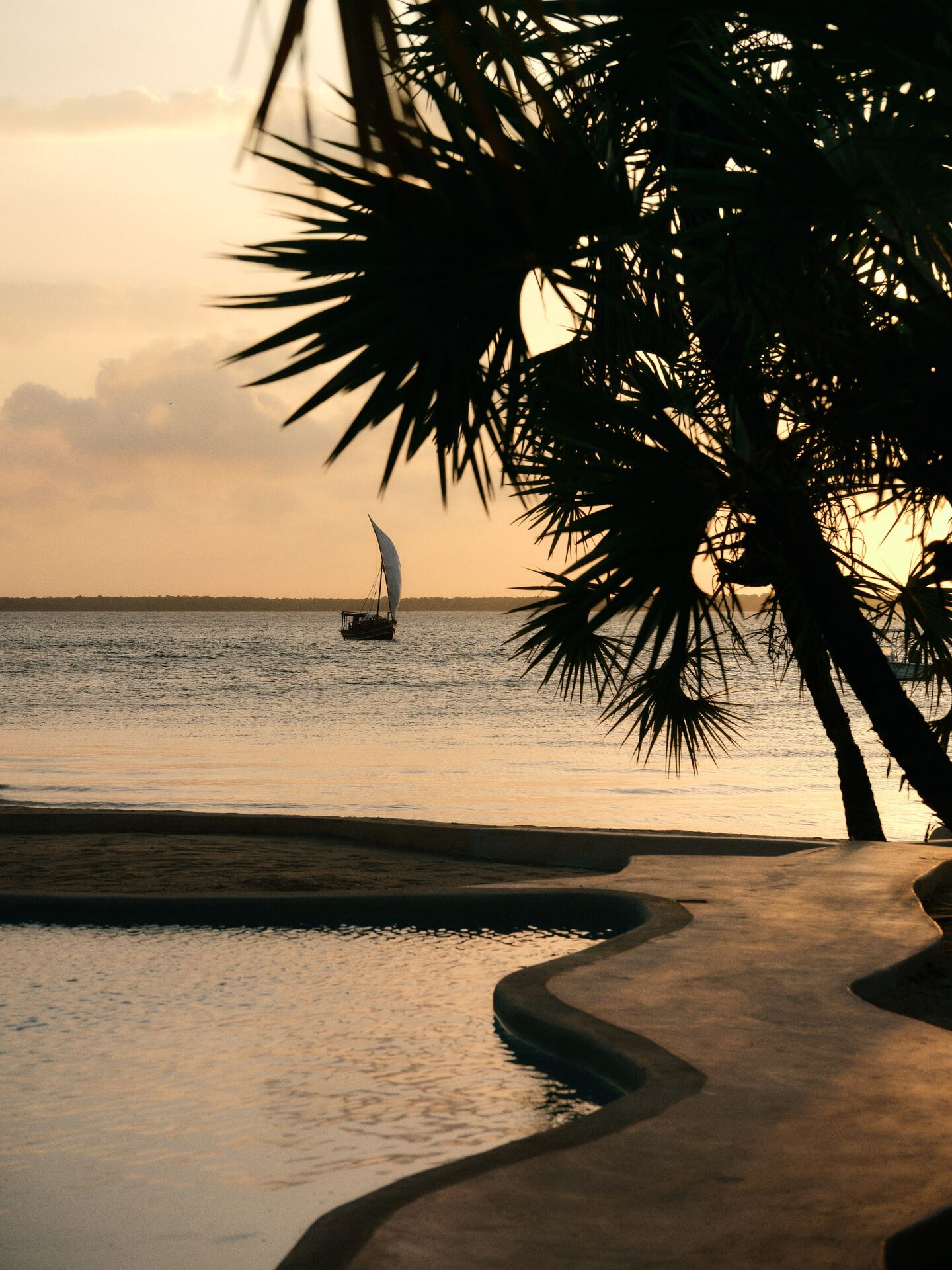
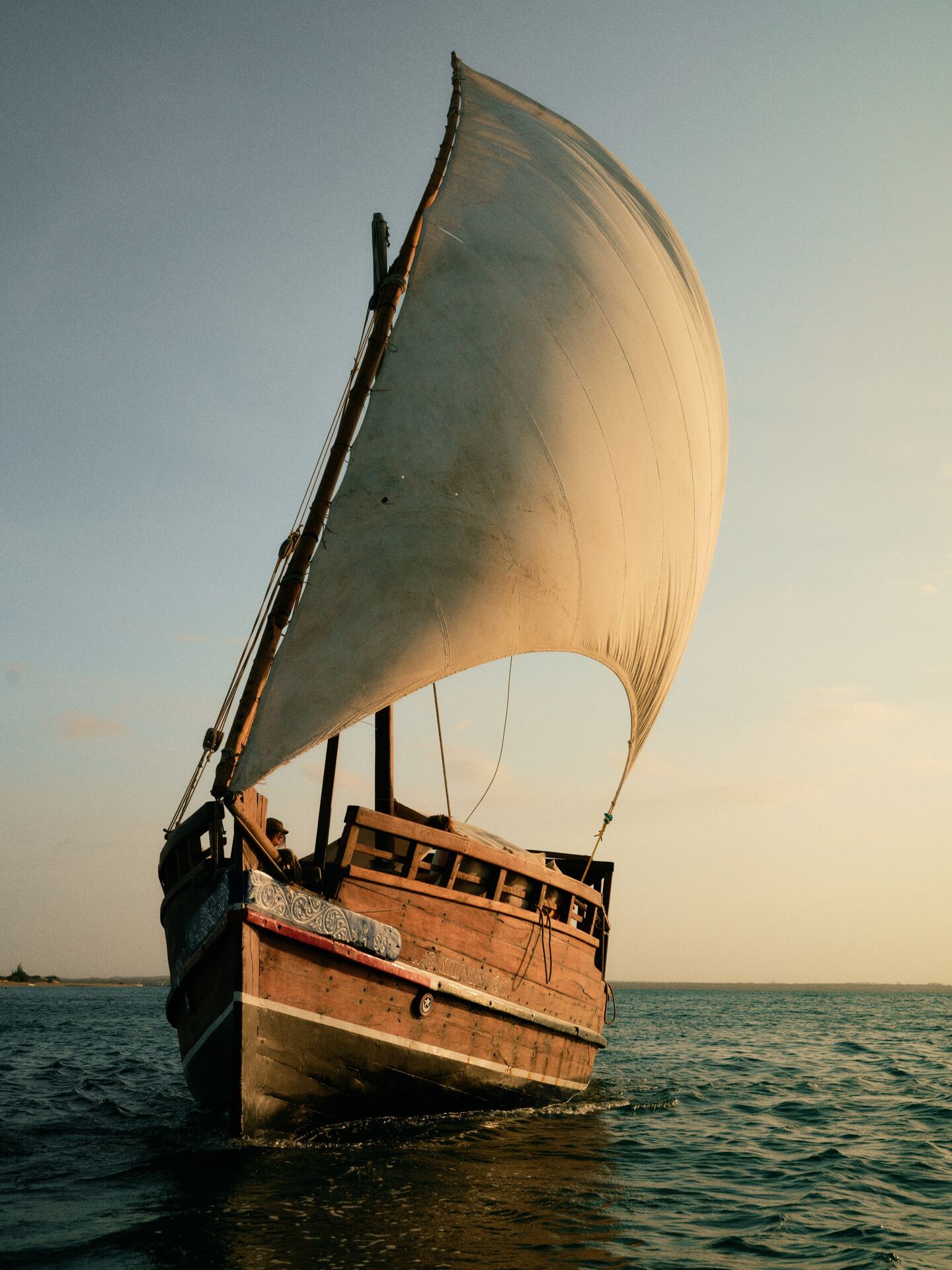
The kuzi is the south wind, the second of the year’s two monsoons. It blows from the south-east between roughly April and September, steady and strong, stirring the channel, lifting the tides, and reshaping the beaches at Kizingoni.
What the kuzi leaves behind, year after year, is wood. Mangrove branches from the channels. Coconut palm. Old dhow planks that have finally let go. Occasionally, a piece of timber from somewhere we cannot quite guess. Each tide brings its own offering: curved, salt-worn, sun-bleached, softened by water and time.
The walk.
After a big tide, the beach becomes a kind of workshop before the workshop. We walk, look, lift, turn pieces over in the hand. The criteria are simple: the wood has to feel alive, and the shape has to suggest something. Not insist. Just suggest.
The wood has already done most of the work. The craftsman only finishes it.
What becomes of it.
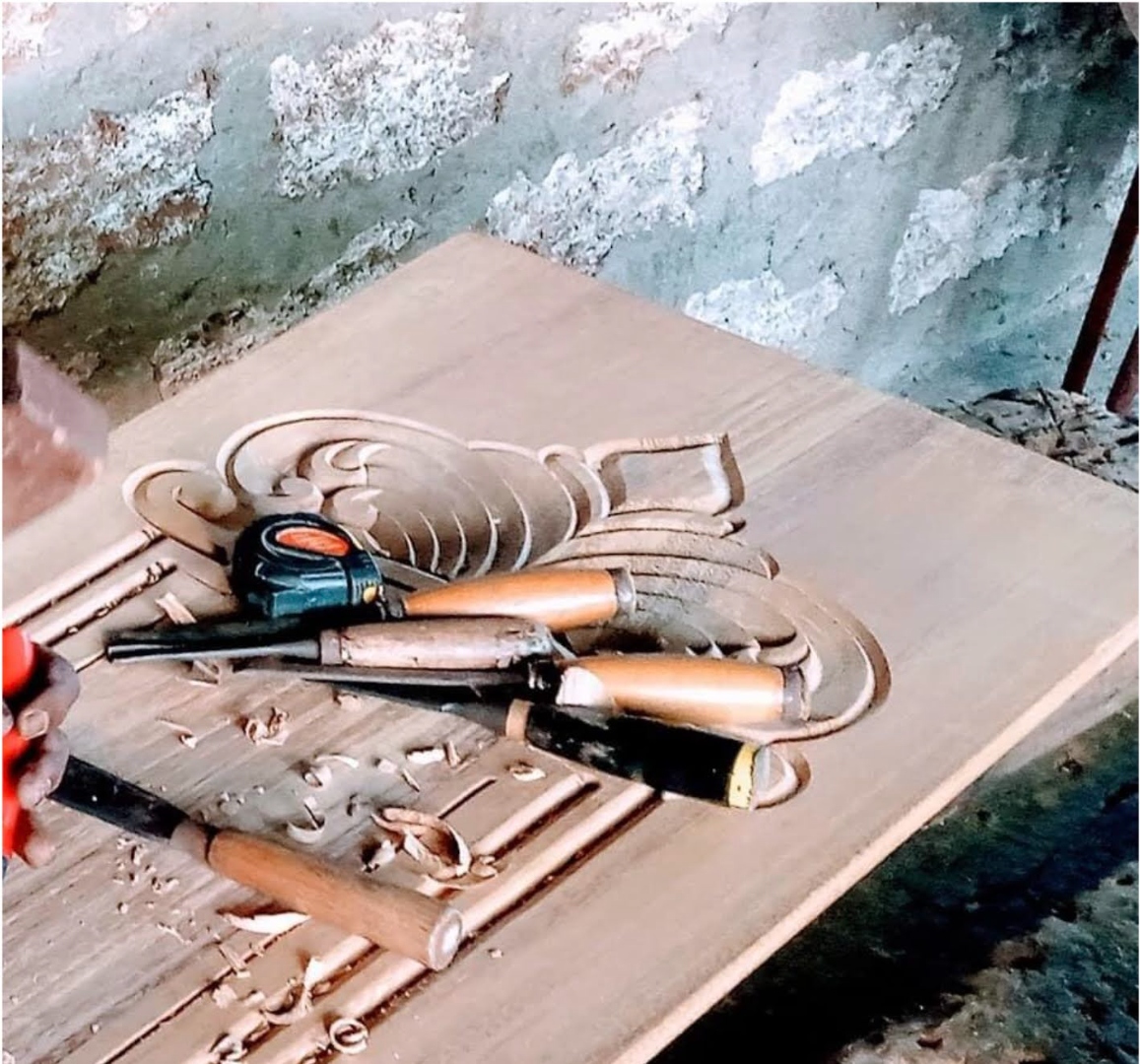
Then we work with local carpenters to give those pieces another life. Some become shelves. Some become tables, coffee tables, chairs, benches, sofas, frames, handles, details, small and large pieces that carry the irregular beauty of the coast into the rooms.
We do not try to make everything match. That would miss the point. The tide does not repeat itself, and neither should a hotel built this close to the sea.
The longer point.
Driftwood is slow, uneven, impractical and full of character. It asks for patience. It asks for imagination. It asks you to work with what has arrived, rather than order what you think you need.
It would be easier to buy furniture. It would also be a different place.
This is part of the quiet joy of The Cabanas: the beach is always changing, and sometimes what it leaves behind becomes part of the hotel itself.